


 Verified Buyer

Key Takeaways
- The ice method is the safest way to remove melted wax from car upholstery without damaging fabrics or leather.
- Heat transfer techniques using an iron and a paper bag can effectively lift wax residue that scraping alone cannot remove.
- Different car seat materials (fabric, leather, vinyl) require specific approaches to wax removal to prevent permanent damage.
- Acting quickly when wax spills occur can prevent the substance from deeply penetrating your car's upholstery.
- At Ordiniq, we offer specialised cleaning tools, including a high-grade Handheld Portable Car Vacuum that makes stubborn wax removal significantly easier while protecting your car's interior surfaces.
Wax Disaster? Here’s What You Need to Know
Melted wax on your car seat, whether from a candle, wax melt, or detailing product, can seem like a disaster, but it's entirely fixable. Wax doesn't typically cause permanent staining when addressed correctly.
The key is knowing that wax responds to temperature changes, which gives you multiple angles of attack depending on your seat material. Acting quickly helps, but even dried wax can be removed without damaging fabric or leather upholstery.
In this guide, we’ll discuss the most effective methods to restore your car seat to its original condition.
|
Ordiniq Handheld Car Vacuum: Drive Clean, Drive Fresh Join 10,000+ Drivers Who Keep Their Cars Spotless Why Ordiniq’s Vacuum Is Essential
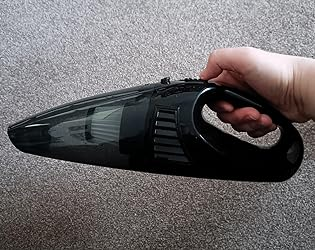
What Customers Say ★★★★★"I keep this light weight vacuum cleaner in our car and handy to clean the mess created by little one. The size is small but powerful enough to clean the car seat. It also has accessories to allow to clean the small gap and corner. Definitely will buy another piece for another car. Good value too." - Connie Try It Risk-Free for 30 Days Experience spotless car interiors with zero worries. If it doesn't transform your daily commute within 30 days, we'll refund your purchase—no questions asked. FREE BONUSES: 1-Year Extended Warranty + FREE Shipping Get Ordiniq's Handheld Wired Car Vacuum Cleaner Today! *Ordiniq also offers AutoPump and a Tyre Repair Kit —great extras to keep in your boot for added peace of mind. |
4 Methods to Get Melted Wax out of Your Car Seat
1. Freeze, Scrape, & Vacuum: The Cold Method for Wax Removal

Freeze with ice cubes, scrape off the hardened wax, and vacuum the debris using a handheld car vacuum.
Freezing is the safest and most effective first approach for removing wax from car seats. When wax cools, it becomes brittle and loses its adhesion to fabric or leather.
Start by filling a plastic bag with ice cubes and placing it directly on the wax stain for 5–10 minutes. The goal is to make the wax as hard and brittle as possible without getting your upholstery wet, which is why using a sealed plastic bag is essential.
Once the wax is completely hardened, use a plastic scraper, a credit card, or a dull butter knife to gently scrape away the frozen wax. Be particularly gentle when working on leather seats, as excessive pressure could damage the surface.
Next, let a portable car vacuum do the heavy lifting. Use the crevice attachment to suction up all the loose wax fragments, working from the edges of the affected area toward the centre.
For any remaining residue, repeat the freeze-and-break process, then vacuum again. The portability and suction power of a quality car vacuum allow you to reach tight spots between seat cushions and along seams where wax particles tend to hide.
This freeze-and-scrape technique might need to be repeated several times for thick wax deposits. After each scraping session, vacuum the loose particles and reapply the ice pack if necessary. The beauty of this method is that it works on all upholstery types without risking heat damage or discolouration.
2. The Iron & Paper Bag Technique
For stubborn wax that remains after freezing, scraping, and vacuuming, the iron method leverages heat transfer to lift the residue. This technique works particularly well on fabric seats but requires careful execution to avoid damaging the upholstery.
Begin by laying a brown paper bag or several layers of paper towels directly over the wax residue. The paper acts as an absorbent, drawing the melted wax away from the fabric.
Set your household iron to a low or medium heat setting without steam. Gently press the warm iron on top of the paper for 5–10 seconds at a time, checking frequently to see if wax is transferring to the paper. As the wax melts, it will be absorbed into the paper, effectively lifting it from your car seat. Replace the paper as needed when it becomes saturated with wax. This process may need to be repeated several times, especially for deeply embedded wax.
After completing the process, vacuum the area to remove any remaining particles and apply a fabric protector to restore the seat's finish.
3. Heat Gun or Hair Dryer Method

Use a heat gun to soften the wax, and blot it out with a dabbing motion rather than wiping.
When dealing with wax in hard-to-reach crevices or on textured upholstery, a controlled heat source, such as a hair dryer or heat gun, offers precise targeting. Set your hair dryer to its medium heat setting (never high, as this can damage upholstery) and hold it about 6 inches away from the wax stain.
As the wax begins to soften, blot it immediately with paper towels or a clean microfibre cloth. The key difference from the iron method is that you're removing the wax as it melts rather than allowing it to transfer into an absorbent material.
Note that this technique requires quick reflexes. You'll need to be ready to blot as soon as the wax begins to liquefy. For maximum effectiveness, keep a clean section of your cloth or paper towel ready for each blot. If using a heat gun rather than a hair dryer, be extremely cautious and use only the lowest setting, as heat guns can quickly generate temperatures that will damage car upholstery.
4. Cleaning Products to the Rescue
After removing the bulk of the wax with mechanical methods, you may still notice a slight residue or discolouration on your car seat.
This is where specialised cleaning products come into play. For fabric seats, an upholstery-specific cleaner with stain-lifting properties works best. Apply the cleaner according to the manufacturer's instructions, typically by spraying lightly and working it in with a soft brush using circular motions.
For more stubborn residue, particularly from coloured wax like crayons, you might need a solvent-based cleaner. Another household option is rubbing alcohol applied to a clean cloth, as it can dissolve wax colourants without damaging most upholstery types.
Always test any cleaning product on an inconspicuous area first, and never saturate your car seats with liquid cleaners, as excessive moisture can damage the padding beneath.
4 Methods to Remove Melted Wax from Car Seats: Summary Table
|
Method |
What You'll Need |
How It Works |
Best For |
|
Freeze, Scrape & Vacuum |
Ice cubes, plastic bag, plastic scraper, handheld car vacuum |
Harden wax with ice, break into pieces, vacuum up fragments |
Fresh spills and surface-level wax on fabric seats |
|
Iron & Paper Bag Technique |
Iron, brown paper bag or parchment paper, clean cloth |
Place paper over wax, apply low heat with the iron to absorb the melted wax into the paper |
Deep wax penetration on fabric upholstery |
|
Heat Gun or Hair Dryer Method |
Heat gun or hair dryer, clean microfibre cloths |
Apply gentle heat to soften wax, blot away with a cloth |
Leather seats and delicate materials require controlled heat |
|
Cleaning Products |
Upholstery cleaner or rubbing alcohol, clean cloths, soft brush |
Remove remaining wax residue after primary removal method |
Final cleanup and stubborn residue on any seat material |
Keeping Your Car Pristine with Ordiniq's Handheld Vacuum
When it comes to removing wax from car seats, having the right tool makes all the difference. At Ordiniq, we stock high-quality Handheld Portable Car Vacuums, which deliver the high-power suction needed to lift hardened wax fragments from fabric and leather upholstery without pushing debris deeper into the fibres.

Ordiniq's Handheld Wired Car Vacuum Cleaner features multiple attachments for thorough cleaning of the car interior.
The multiple attachments included allow you to tackle the crevice attachment for tight seams where wax particles hide, while broader nozzles handle larger surface areas efficiently.
Beyond wax emergencies, the vacuum’s compact design makes it ideal for regular car maintenance. You can easily store it in your boot or under a seat for on-demand cleaning whenever crumbs, dust, pet hair, or daily debris accumulate.
Keeping a quality vacuum within reach means small messes get handled before they become ground-in stains, preserving your interior's appearance and value over time.
Our Handheld Vacuum is available for £49.99 with free shipping and a 1-year extended warranty—a small investment that pays dividends every time you need your car looking its best. We also offer a 30-day money-back guarantee, so you can enjoy your new vacuum risk-free.
Complete your vehicle care setup with our best-selling AutoPump for accurate tyre inflation and our Tyre Repair Kit for quick roadside fixes.
| Get Ordiniq's Handheld Car Vacuum Cleaner Today! |
Frequently Asked Questions (FAQs)
How can I remove melted crayon from my car seat?
Melted crayon on car upholstery requires a specific approach because its colourful pigments can stain fabric more persistently than plain wax. Start with the freeze, scrape, and vacuum method to remove the bulk of the crayon wax without spreading the colours deeper into the fabric.
For stubborn crayon stains, a mixture of baking soda and water formed into a paste can help lift the coloured oils when applied and allowed to dry before vacuuming away.
Will wax removal methods damage my car's upholstery?
When performed correctly, wax removal methods pose minimal risk to most car upholstery. The ice method is virtually risk-free for all materials. Heat-based methods and solvents pose greater risks and should be used with caution.
Always use low heat settings, maintain distance between heat sources and upholstery, and never apply direct heat to leather.
How long does it typically take to remove wax from a car seat?
For small, recent spills on non-absorbent surfaces, you might complete the process in 15–30 minutes. More significant wax deposits on fabric seats typically require 1–2 hours of patient work, often using multiple methods in sequence.
The process includes cooling time (10–15 minutes), scraping (5–10 minutes), heat treatment (if needed; 15–20 minutes), and final cleaning (10–15 minutes).
What's the quickest way to remove candle wax from car upholstery?
The most efficient approach combines freezing and direct heat transfer. Start by applying ice in a plastic bag to the wax for just 5 minutes to harden it enough for initial scraping.
After removing the bulk of the wax, immediately follow up with the iron-and-paper-bag method, which can lift remaining residue in a single application if done correctly. This combined approach typically takes 15–20 minutes total for moderate wax spills.
Is Ordiniq's handheld vacuum effective in removing stains from car seats?
At Ordiniq, we offer Handheld Portable Car Vacuums, which excel as part of a comprehensive approach to wax removal and general car seat maintenance. The precision nozzle attachment is particularly useful for extracting wax fragments from seams and crevices that might otherwise melt and cause new staining.
We offer a 1-year extended warranty, with fast shipping, and a 30-day money-back guarantee, no questions asked.
*Note: Pricing and/or product availability mentioned in this post are subject to change. Please check our website for current pricing and stock information before making a purchase.


