


 Verified Buyer

Key Takeaways
- The recommended tyre pressure for Tesla Model 3 is 42 PSI (290 kPa / 2.9 BAR) for both front and rear tyres across most configurations.
- Tesla specifies higher tyre pressures than conventional vehicles to optimise electric powertrain efficiency and maximise driving range.
- Proper tyre inflation is crucial for range optimisation, as underinflation can reduce efficiency.
- Tyre pressure should be verified monthly and adjusted when tyres are cold to ensure accurate readings that reflect the true inflation status.
- Ordiniq's AutoPump with ±0.5 PSI professional accuracy ensures your Model 3 maintains Tesla's exact 42 PSI specification, preventing the range losses caused by the ±2–3 PSI variance typical of standard inflation equipment.
Tesla Model 3 Tyre Pressure: Overview
Tesla Model 3 tyre pressure specifications differ from traditional vehicles for compelling engineering reasons. Tesla engineers determined that higher pressures optimise the vehicle's efficiency, handling, and tyre longevity.
Whilst this might seem elevated compared to conventional cars, which often recommend 32–35 PSI, the increased pressure is specifically calibrated for the Model 3's weight distribution, performance characteristics, and energy consumption targets.
Your specific tyre pressure requirements may vary slightly depending on your Model 3's configuration and wheel size. The definitive source is the tyre information label located on your vehicle's driver-side door jamb or centre pillar.
This label provides the manufacturer-recommended cold tyre pressure for your vehicle's build and wheel/tyre package. Some variations exist between Standard Range, Long Range, and Performance models, as well as between wheel sizes.
|
Ordiniq AutoPump: Your Pocket-Sized Roadside Hero Join 10,000+ Drivers Who Never Worry About Flat Tyres Again Why Ordiniq’s AutoPump Is Essential
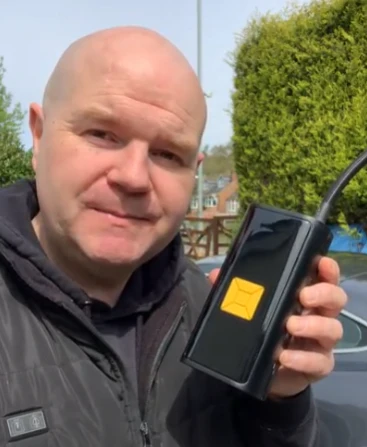
What Customers Say ★★★★★ "I was at first very skeptical about using a new product like Autopump with my 2018 Ford Focus. But after getting a flat tyre due to a nail, it got me inflated quickly and allowed me to get to a garage and have the tyre repaired. Definitely a thumbs up from me" - Gregg D. Bristol, UK Try It Risk-Free for 90 Days Experience the AutoPump with zero worries. If it doesn't save you from a tyre emergency within 90 days, we'll refund your purchase—no questions asked. FREE BONUSES: Tyre Pressure Monitoring Caps (£19.99 Value) + Tyre Safety eBook (£10 Value) + FREE Shipping Across the UK via Royal Mail and Evri *Ordiniq also offers a Handheld Wired Car Vacuum Cleaner and a Tyre Repair Kit—great extras to keep in your boot for added peace of mind. |
Understanding Pressure Measurement Systems: PSI, kPa & BAR

Three measurement standards express identical pressure values—familiarity with each system facilitates equipment usage across different regions. (Image courtesy of Tesla)
PSI: The North American Standard
PSI (pounds per square inch) represents the standard tyre pressure measurement in the United States and the primary unit you'll encounter on most tyre pressure gauges in North America.
This measurement quantifies the force applied to one square inch of surface area. For Tesla Model 3 owners, the typical recommendation of 42 PSI means each square inch of the tyre's inner surface experiences 42 pounds of force from compressed air inside.
Understanding PSI is essential, as it's the unit displayed on most local petrol station air pumps and personal tyre pressure gauges.
Converting to kPa: The Metric Standard
Kilopascal (kPa) is the international metric unit of pressure and is used in Tesla's European and Asian markets.
Converting between PSI and kPa is straightforward: multiply PSI by 6.895 to obtain kPa. For example, the recommended 42 PSI for most Model 3 configurations equals approximately 290 kPa (42 × 6.895 = 289.59).
Tesla's vehicle documentation and tyre information labels typically display both measurements, but understanding this conversion helps when using equipment calibrated in different units or when traveling internationally with your Model 3.
BAR Measurement: European Pressure Standard
BAR represents another common pressure unit used primarily in European countries. One BAR approximates atmospheric pressure at sea level and equals 14.5038 PSI or 100 kPa.
For Tesla Model 3 owners, the standard 42 PSI recommendation converts to approximately 2.9 BAR (42 ÷ 14.5038 = 2.896). This unit is frequently found on European tyre pressure gauges and air compressors, making it relevant for Tesla owners traveling abroad or living in European markets.
Official Tesla Model 3 Pressure Recommendations
For the majority of Tesla Model 3 configurations, the manufacturer recommends 42 PSI (290 kPa / 2.9 BAR) for both front and rear tyres. This specification applies to the most common wheel sizes and represents the pressure setting optimising the balance between range, comfort, and tyre longevity.
Here are the verified specifications:
- Tyre Size: 235/45/R18 W 98
- Front & Rear Pressure: 42 PSI / 2.9 BAR / 290 kPa
- Application: Standard Model 3 configurations
Always verify your specific vehicle's tyre information label, as recommendations can vary by Model 3 variant and production year.
How Tyre Pressure Influences Your Tesla Model 3 Performance

Tyre pressure dramatically affects range efficiency, handling characteristics, and tyre longevity through contact patch modifications.
Range & Battery Efficiency Impact
Proper tyre inflation directly correlates with your Tesla Model 3's range. Underinflated tyres create increased rolling resistance, forcing your motors to work harder and consume more energy maintaining speed.
Handling & Safety Considerations
Tyre pressure significantly affects how your Model 3 handles across various driving conditions. Underinflated tyres create a sluggish, less responsive feel during cornering and can lengthen braking distances, particularly in wet conditions. The vehicle may feel like it's "wallowing" during quick direction changes, and tyre sidewalls can flex excessively, leading to less predictable handling at grip limits.
Conversely, overinflated tyres can reduce contact patch excessively, decreasing available grip, particularly in wet or slippery conditions. Whilst very high pressures might theoretically improve rolling resistance, they compromise the tyre's ability to conform to the road surface, potentially reducing traction when you need it most.
Tyre Wear Patterns & Pressure Correlation
Tyre pressure directly influences how your Model 3's tyres wear over time. Incorrectly inflated tyres develop distinctive uneven wear patterns that can alert you to pressure problems.
Underinflated tyres typically show excessive wear on both outer edges of the tread, as the centre portion of the tread bears less load. This "edge wear" pattern not only shortens tyre life but can eventually compromise safety as the tyre structure becomes weakened at the shoulders.
Overinflated tyres exhibit opposite patterns, with accelerated wear concentrated in the tread centre. This "centre wear" occurs because excessive pressure creates a bulge in the middle of the contact patch, causing the tyre to ride primarily on this centre section.
Achieve Precise Tyre Pressure for Your Tesla Model 3 with AutoPump

Ordiniq's AutoPump transforms tyre maintenance from a routine task into a performance optimisation through ±0.5 PSI professional accuracy.
When Tesla engineers specify 42 PSI, they mean precisely 42 PSI—not 40 PSI, not 44 PSI, but exactly 42 PSI, optimising rolling resistance, contact patch geometry, and tyre deflection characteristics for maximum efficiency.
At Ordiniq, our best-selling AutoPump consistently delivers this exact specification. Set your target once with the intelligent preset system, and achieve perfect inflation with a single button. You also don’t need to worry about overinflation, as the built-in auto-shutoff function stops the pump once the set pressure is reached.
There’s no repeated door jamb consultations, no manual gauge readings requiring interpretation, no wondering whether you've achieved the specification or merely approximated it.
The 3900mAh rechargeable battery delivers 8–10 complete tyre inflations per charge, which is sufficient for monthly verification across multiple vehicles without constant recharging cycles affecting basic alternatives.
The versatile charging capability (USB-C for portable power banks, UK mains for home use, 12V for vehicle power) ensures availability across all circumstances, whether maintaining pressures at home or adjusting for temperature changes whilst traveling.
Beyond pure accuracy, the AutoPump's 150 PSI maximum capacity handles everything from your Model 3's 42 PSI requirements to bicycle tyres. For Tesla-owning households who embrace active lifestyles (as many EV early adopters do), this multi-vehicle capability eliminates the equipment redundancy that clutters garages.
Every purchase comes with a 90-day money-back guarantee, so you can see the results through everyday use. Our Handheld Wired Car Vacuum and Tyre Repair Kit complete a practical vehicle care range trusted by more than 10,000 customers across the UK.
| Get Ordiniq's AutoPump Today! |
Frequently Asked Questions (FAQs)
How often should I check the tyre pressure on my Tesla Model 3?
It is recommended to check your tyre pressure at least once a month and before extended trips. This schedule compensates for the natural pressure loss that occurs over time (tyres typically lose 1–2 PSI per month through normal permeation).
Additionally, significant temperature changes affect tyre pressure; as a rule of thumb, pressure tends to drop by around 1 PSI (about 7 kPa) for roughly every 5–6 °C decrease in ambient temperature.
Will running higher tyre pressure than recommended improve my range?
Whilst slightly higher pressures theoretically reduce rolling resistance, exceeding Tesla's recommendations provides diminishing returns and introduces significant drawbacks.
Pressures beyond 45 PSI may marginally improve range (perhaps 1–2% at most), but at the expense of ride comfort, road noise, tread life, and potentially reduced traction in wet conditions.
What should I do if my Tesla’s TPMS shows a warning but the tyres look fine?
When your Tesla's TPMS triggers a warning despite tyres appearing normal, you should still check all tyre pressures with a quality gauge as soon as practical.
Visual inspection alone isn't reliable for detecting underinflation; a tyre can lose up to 50% of its pressure before appearing visibly flat.
How does Ordiniq's AutoPump specifically benefit Tesla Model 3 owners concerned about range?
The AutoPump’s ±0.5 PSI professional-grade accuracy delivers a precise 42 PSI, as specified by Tesla engineers for optimal rolling resistance, contact patch geometry, and energy efficiency. This ensures consistent inflation to exact specifications rather than rough approximations.
The 3900mAh rechargeable battery delivers 8–10 complete tyre inflations per charge, providing comprehensive capability for monthly verification without single-charge limitations affecting basic alternatives.
*Note: Pricing and/or product availability mentioned in this post are subject to change. Please check our website for current pricing and stock information before making a purchase.


