


 Verified Buyer

Key Takeaways
- Acting fast is important, but using the wrong product on leather can cause more damage than the nail polish itself.
- You can either peel the dried nail polish off or use a white vinegar and olive oil mixture to break it down before wiping the seat.
- After removing the stain, conditioning your leather is a non-negotiable step to prevent cracking and dryness.
- Ordiniq’s Handheld Car Vacuum is a critical prep tool before every method. Its powerful suction and crevice attachment clears dust, debris, and loose polish fragments from seams and tight gaps so you're not grinding grit into vulnerable leather during cleaning.
Nail Polish on Your Leather Car Seat: Here's What You Need to Know First
Nail polish is a fast-drying, polymer-based coating that bonds tightly to porous surfaces. Leather, even when coated, has enough texture for nail polish to grip onto firmly. The longer it sits, the harder it becomes to remove without aggressive chemicals.
If the nail polish is still wet, gently blot with a clean paper towel to lift as much as possible before it dries. If you’re dealing with dried nail polish, peel or roll it off, then use a plastic card to scrape away the debris before vacuuming with a car vacuum. Alternatively, you can use acetone nail polish remover.
Below, you’ll learn the step-by-step processes to remove nail polish from leather car seats.
|
Ordiniq Handheld Car Vacuum: Drive Clean, Drive Fresh Join 10,000+ Drivers Who Keep Their Cars Spotless Why Ordiniq’s Vacuum Is Essential
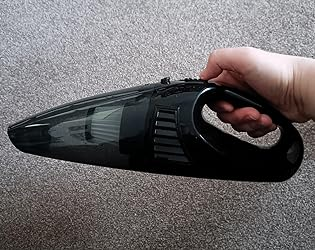
What Customers Say ★★★★★"I keep this light weight vacuum cleaner in our car and handy to clean the mess created by little one. The size is small but powerful enough to clean the car seat. It also has accessories to allow to clean the small gap and corner. Definitely will buy another piece for another car. Good value too." - Connie Try It Risk-Free for 30 Days Experience spotless car interiors with zero worries. If it doesn't transform your daily commute within 30 days, we'll refund your purchase—no questions asked. FREE BONUSES: 1-Year Extended Warranty + FREE Shipping Get Ordiniq's Handheld Wired Car Vacuum Cleaner Today! *Ordiniq also offers AutoPump and a Tyre Repair Kit —great extras to keep in your boot for added peace of mind. |
Method 1: Peel or Roll the Dried Polish Off
If the nail polish has fully dried and hardened, you can remove a significant portion of it without any chemicals at all.
Dried nail polish becomes brittle, and leather is flexible enough to crack that brittleness apart with the right technique.
-
Vacuum the Area Around the Stain. Use a handheld car vacuum to clear any dust, crumbs, and loose debris from the seat surface and along the seams. Small particles can cause scratches when pressed into the surface. Ordiniq’s Handheld Car Vacuum Cleaner has a crevice attachment that reaches into stitching, seat seams, and the narrow gaps around the center console where particles collect unnoticed.
-
Gently Flex and Roll: If it's a seat panel, push the leather inward from both sides to create a fold directly under the stain. You'll often hear or feel the polish crackling as it separates from the surface.
-
Use a Soft Plastic Card to Lift the Broken Pieces Away: An old loyalty card or library card works perfectly. Hold the card at a low, flat angle to avoid scratching and work from the outside edges of the stain inward to prevent spreading.
-
Vacuum up the loosened polish flakes. Use the crevice attachment to pick up all the broken pieces from the seat surface, seams, and the gaps between the seat and the centre console. Ordiniq’s Handheld Car Vacuum Cleaner is a great tool for this.
- Condition: If the stain is fully removed, follow up with a leather conditioner. If there's still a visible mark or residue remaining, move on to Method 2.
Method 2: White Vinegar & Olive Oil Mixture

When physical removal alone isn't enough, a white vinegar and olive oil mixture is the gentlest option available.
Here’s a step-by-step to follow when using this method:
-
Vacuum the Stained Area: After peeling the dried polish off, use a handheld car vacuum with a crevice attachment to remove any dust, debris, and remaining polish fragments. Ordiniq’s Handheld Car Vacuum Cleaner is designed for this purpose, with specialized nozzle attachments that can pick up tiny fragments without damaging the seat.
-
Mix White Vinegar with Olive Oil: Stir one part white vinegar with one part olive oil, then mix thoroughly so the vinegar is evenly distributed throughout the oil rather than sitting in a separate layer.
-
Dip a Clean Cloth or Cotton Ball into the Mixture: The cloth should be damp, not dripping. Over-saturating the leather with oil can attract dirt and cause its own set of problems down the line.
-
Apply the Mixture: Use circular motions. Work from the outside edge of the stain toward the center to avoid spreading the dissolved polish onto clean leather.
-
Wait: Let the mixture sit for 2 to 3 minutes. This gives the vinegar time to soften and break down the polish's polymer structure without overexposing the leather.
-
Gently Wipe: Use a separate cloth to wipe the area. Do not reuse the same section you applied to, as transferring dissolved polish back onto the leather defeats the purpose. Afterwards, wipe again with a clean, damp cloth.
- Dry: Wet or oily leather can look different than dry leather, so give it time to dry properly before deciding whether the stain has been fully removed.
Method 3: Acetone Nail Polish Remover (Last Resort)

Acetone effectively removes nail polish from leather, but it poses the highest risk of surface damage.
Use this method only after other methods have failed, and only on finished leather with a polyurethane topcoat. Never use acetone on aniline, nubuck, or suede leather under any circumstances.
-
Vacuum the Stained Area: Use a handheld car vacuum with a crevice attachment to remove any dust, debris, and loose particles from the surface, seams, and seat gaps. Acetone actively dissolves the leather's protective topcoat on contact, and any grit on the surface will be ground directly into unprotected leather during application, causing damage that's far harder to repair.
-
Apply Acetone to a Cotton Swab: Pour the tiniest bit of acetone onto a tightly wrapped cotton swab. Hold the swab on the stain for no more than 10 seconds at a time, and blot gently; do not rub, drag, or scrub.
-
Wipe the Area Immediately: Use a clean, damp cloth to neutralize the acetone and stop it from continuing to act on the leather surface. Do this after every single 10-second application, not just at the end of the process.
-
Repeat if the Stain Remains: Use a new swab for each pass, maintain the 10-second contact window, and wipe with a damp cloth between rounds. If the stain hasn't cleared after three to four targeted applications, stop and consult a professional detailer rather than continuing to expose the leather to acetone.
- Apply a Leather Conditioner Immediately: Unlike the other methods, acetone almost always causes visible topcoat damage that conditioning alone won't fully resolve. A leather topcoat or sealant will need to be applied to restore the protective layer and prevent the affected area from cracking, fading, or staining more easily in the future.
Restore & Condition the Leather After Cleaning
Conditioning your leather after nail polish removal is the step that determines the long-term outcome. Every solvent on this list draws moisture out of leather to some degree.
Leather that isn't reconditioned after cleaning will begin to dry out, stiffen, and eventually crack along natural stress lines, such as seat folds and edges. Conditioning within 30 minutes of completing the cleaning process gives the leather the best chance of recovering its original suppleness and sheen.
If you don't have a commercial leather conditioner on hand, a simple DIY version works well in a pinch. Mix one part white vinegar with two parts linseed oil (also sold as flaxseed oil) in a small jar. Alternatively, a small amount of pure coconut oil, applied with a soft cloth, can serve as an emergency conditioner if linseed oil isn't available, but it should be applied sparingly.
3 Methods for Removing Nail Polish from Leather Car Seats: Summary Table
|
Factors |
Method 1: Peel or Roll |
Method 2: Vinegar & Olive Oil |
Method 3: Acetone (Last Resort) |
|
Best For |
Dried, hardened nail polish sitting on top of finished leather |
Light-to-moderate stains on delicate or lightly finished leather |
Stains that have failed to respond to all other methods |
|
How It Works |
Physically cracks and lifts brittle dried polish from the surface through flexing and scraping |
Vinegar's mild acidity softens the polish while olive oil conditions the leather simultaneously |
Dissolves nail polish and the polyurethane topcoat underneath it |
|
Risk Level |
None: no chemicals involved |
Low: mild acid with built-in conditioning |
High: strips the leather's protective topcoat along with the polish |
|
Application Tool |
Soft plastic card and fingernails |
Soft cloth or cotton ball |
Tightly wound cotton swab |
|
Safe for Aniline or Nubuck |
Yes |
No: repeated application causes uneven toning |
Never under any circumstances |
Keep Your Leather Car Seats Spotless with Ordiniq’s Handheld Car Vacuum Cleaner

Ordiniq’s Handheld Car Vacuum Cleaner is portable and compact.
As every method in this guide shows, vacuuming the seat before you start any stain treatment is the step that prevents scratches and keeps the cleaning process from causing more damage than the stain itself. Ordiniq's Handheld Car Vacuum Cleaner is designed for car interiors, compact and light enough to store in your boot for quick cleanups after every drive.
The handheld car vacuum delivers consistent suction through a full session, so you're actually pulling debris out of seams and crevices rather than just pushing it around. Its wired power lets you clean without worrying about battery limits. If you're prepping for a stain removal job or doing a regular once-over to keep your leather looking its best, it handles the job without scratching or stressing the surface.
Every Ordiniq Handheld Car Vacuum comes with free and fast shipping, a 1-year extended warranty, and a 30-day money-back guarantee, so you can try it risk-free and make it part of your regular leather care routine.
| Try Ordiniq’s Handheld Car Vacuum Cleaner Today! |
Frequently Asked Questions (FAQs)
Can I use acetone to remove nail polish from a leather car seat?
Yes, but only as an absolute last resort and only on finished leather with a polyurethane topcoat. Acetone is a powerful solvent that effectively removes nail polish, but it also dissolves the protective coating on leather. Never use acetone on aniline, nubuck, or suede leather; the damage will be immediate and permanent.
What is the safest method to remove nail polish from leather?
The safest method is to physically peel or roll off the dried polish before using any chemicals. If that doesn't fully resolve the stain, the white vinegar and olive oil mixture is the gentlest chemical option. It conditions the leather as it works and carries a very low risk of surface damage on finished leather.
Will rubbing alcohol damage my leather car seat?
Isopropyl alcohol at 70% concentration is safe for short-contact use on finished leather when applied with a damp cotton ball, not poured directly onto the surface, and with application times kept under 60 seconds per round. However, rubbing alcohol should never be used on aniline or nubuck leather.
Is Ordiniq's Handheld Car Vacuum safe for cleaning leather car seats?
Yes. Regular vacuuming of leather car seats is safe and recommended as part of routine interior maintenance. Ordiniq’s Handheld Car Vacuum Cleaner uses a powerful suction to remove loose debris, crumbs, and dust particles from seat seams and surface grain, preventing abrasive buildup that can gradually wear down leather's protective coating over time.
*Note: Pricing and/or product availability mentioned in this post are subject to change. Please check our website for current pricing and stock information before making a purchase.


