


 Verified Buyer

Key Takeaways
- Ketchup binds to seat fibres in roughly 30 minutes, so how fast you react decides whether you are wiping a spill or fighting a set-in stain.
- Wetting dried ketchup before vacuuming turns loose flakes into a paste that spreads deeper into the weave, which is why most DIY attempts make the stain worse.
- For fresh spills, dish soap and cold water lift ketchup from fabric, vinyl, and leather without needing anything stronger; for anything older, move through baking soda paste, white vinegar, all-purpose cleaner, or a commercial remover in that order.
- Acting inside that 30-minute window versus waiting 24 hours is the difference between a 2-minute dish soap fix and a multi-step APC or enzymatic treatment.
- Ordiniq's Handheld Car Vacuum handles the vacuum-first step for dried ketchup with a crevice attachment that pulls flakes out of the fabric texture before any liquid touches the seat.
Remove Ketchup Stains from Your Car Seat: Here's How
The fastest way to remove ketchup from a car seat is dish soap, cold water, and a clean cloth, applied within 30 minutes of the spill. The soap breaks down the oil and acid in ketchup while cold water stops the pigment from bonding to the fibres. For older or dried ketchup, the fix is different: vacuum the loose flakes first, then work through baking soda paste, white vinegar, all-purpose cleaner, or a commercial stain remover in that order, from gentlest to strongest.
Ketchup is one of the most common car seat stains because it combines oil, sugar, and acidic red pigment, a trio that sets fast and bonds hard once it dries. The good news is that seats are designed to take abuse, so almost every ketchup stain comes out if you start with the right step.
|
Ordiniq Handheld Car Vacuum: Drive Clean, Drive Fresh Join 10,000+ Drivers Who Keep Their Cars Spotless Why Ordiniq’s Vacuum Is Essential
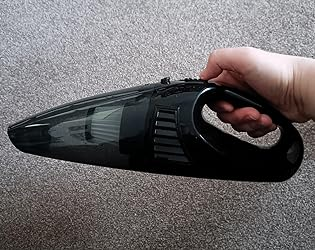
What Customers Say ★★★★★"I keep this lightweight vacuum cleaner in our car and it's handy to clean the mess created by our little one. The size is small but powerful enough to clean the car seat. It also has accessories that allow us to clean the small gaps and corners. Definitely will buy another one for our other car. Good value too." - Connie Try It Risk-Free for 30 Days Experience spotless car interiors with zero worries. If it doesn't transform your daily commute within 30 days, we'll refund your purchase with no questions asked. FREE BONUSES: 1-Year Extended Warranty + FREE Shipping Get Ordiniq's Handheld Wired Car Vacuum Cleaner Today! *Ordiniq also offers AutoPump and a Tyre Repair Kit, which are great extras to keep in your boot for added peace of mind. |
Before Everything Else: Vacuum Areas with Dried Ketchup Stains
If the ketchup has already dried, vacuuming before applying any liquid is the right first move. Dried ketchup breaks into flakes and loose particles that, once wet, turn into a paste that spreads the stain further into the seat fibres. A quick pass with a handheld vacuum removes that loose debris cleanly before any cleaning solution touches the surface.
Use a narrow nozzle or crevice attachment to get into the texture of the fabric without pressing the dried residue deeper into the weave. Once the loose material is cleared, move on to whichever cleaning method fits your stain and seat type.
5 Ways to Remove Ketchup Stains from Your Car Seat
Method 1: Dish Soap and Cold Water
Mild dish soap breaks down the oily and acidic components of ketchup without damaging upholstery fibres or leather, making it the go-to first response for any fresh spill.
- Remove Excess Ketchup. In the first 30 seconds, scoop or lift as much ketchup off the surface as possible using a dry cloth, napkin, or plastic card. Do not rub; rubbing spreads the stain and pushes it deeper into the material.
- Mix and Apply the Solution. Mix half a tablespoon of mild dish detergent with one cup of cold water, stirring gently until combined. Dab the solution onto the stained area using a clean sponge or white cloth, working from the outside of the stain inward. For fabric seats, use a soft-bristle brush in small circular motions; for leather or vinyl, stick to gentle dabbing only.
- Blot and Rinse. Blot the area with a clean dry cloth to lift the loosened ketchup, then dampen a fresh cloth with cold water and blot again to remove soap residue. Allow the seat to air dry away from direct sunlight, as heat can set any stain that wasn't fully lifted.

Cleaning ketchup with dish soap and cold water is the simplest way to handle a fresh stain.
Method 2: Baking Soda Paste
When dish soap alone isn't cutting it, or when the stain has had a little time to settle, a baking soda paste is your next move. Baking soda works as both a mild abrasive and a natural deodoriser, tackling the stain and any lingering smell at the same time. Always spot-test on a hidden area first and check for discolouration before treating the full stain.
- Make the Paste. Combine 2 parts baking soda with 1 part cold water and mix until it forms a thick, spreadable paste similar to toothpaste. For a quarter-sized stain, 2 tablespoons of baking soda and 1 tablespoon of cold water is enough; double that for a larger spill.
- Apply and Scrub. Apply the paste onto the stain and let it sit for up to 30 minutes, then use a soft-bristle brush to work it in with small circular motions. Apply slightly more pressure on fabric seats and keep it light on vinyl.
- Wipe Clean and Dry. Use a clean damp cloth to wipe away the paste, going over the area two or three times until all residue is gone. Allow the seat to air dry fully, then vacuum to pull out any remaining powder from the fabric weave.
Method 3: White Vinegar Solution
White vinegar's acidity breaks the bond between lycopene (ketchup's red pigment) and seat fibres, and loosens the sugar residue that makes it so sticky, without introducing harsh chemicals to your car's interior.
Mix one part white vinegar with two parts cold water in a spray bottle, apply directly to the stained area, and let it sit for five to ten minutes before blotting with a clean dry cloth. Follow up with a plain cold water wipe-down to neutralise the vinegar smell, which disappears completely once the seat dries.
Method 4: All-Purpose Cleaner (APC) for Stubborn Stains
All-purpose cleaners (APCs) are concentrated solutions diluted to safe levels for different surfaces. When dish soap and baking soda haven't fully lifted a stubborn or partially dried ketchup stain, an APC is the logical next step up.
When to Use an APC
APCs work best on stains that have had more than a few hours to set, or where milder solutions have left a visible residue. Most products can be diluted up to 10:1 for light fabric cleaning, or as low as 3:1 for heavily soiled areas. Always check the product label, as full-strength APC can strip protective coatings or cause discolouration.
How to Apply APC Without Damaging Your Seat
- Mix the APC with cold water at the recommended ratio, spot test on a hidden section, then lightly mist the stained area without saturating it.
- Work the solution into the stain using a soft-bristle brush in small circular motions, then blot with a microfibre towel or extract with a wet-dry vacuum.
- Follow with a cold water wipe-down; for leather seats, use a pH-balanced leather cleaner instead.

An all-purpose cleaner is the right move for stubborn, partially dried ketchup stains.
Method 5: Commercial Stain Remover
When DIY options haven't fully lifted the stain, a purpose-built automotive stain remover is your best bet. These products use enzymatic or surfactant-based formulas that break down organic stains at a molecular level. Apply directly to the stained area, follow the recommended dwell time, agitate with a brush, then blot or vacuum.
Always read the label before use, as some removers are not safe for leather and a few require ventilation. For leather seats, look for products explicitly labelled as leather-safe and spot test on a hidden section before treating the full stain.
How to Remove Dried Ketchup Stains from Car Seats: Summary Table
|
Method |
Best For |
Seat Type |
Stain Age |
Difficulty |
|
Dish Soap & Cold Water |
Fresh spills |
Fabric, Vinyl, Leather |
0–1 hour |
Easy |
|
Baking Soda Paste |
Fresh to semi-dried stains + odour |
Fabric, Vinyl |
1–6 hours |
Easy |
|
White Vinegar Solution |
Partially set stains |
Fabric, Vinyl |
2–8 hours |
Easy |
|
All-Purpose Cleaner (APC) |
Stubborn or large stains |
Fabric, Vinyl |
Hours to days |
Moderate |
|
Commercial Stain Remover |
Dried, set-in stains |
Fabric, Vinyl, Leather* |
Days or older |
Easy–Moderate |
*Check product label to confirm leather compatibility before use.

Any of these five methods will lift ketchup from your car seat when matched to the stain.
The Vacuum-First Rule That Saves Car Seats
Ketchup stains lift cleanly when you act fast and match the method to the stain. Cold water and dish soap handle almost every fresh spill, and for dried or set-in stains, the five-step ladder from baking soda paste up to a commercial remover gives you a clear path without guessing.
The single step that decides whether a dried ketchup stain comes out or sets for good is vacuuming the loose flakes before any liquid touches the seat. Ordiniq's Handheld Car Vacuum is built for exactly that job, with a crevice attachment that pulls ketchup flakes out of the fabric texture so your cleaning solution does its job instead of making paste.
| Check out Ordiniq’s Handheld Car Vacuum Cleaner today! |
Frequently Asked Questions
Can I Use Hot Water to Remove Ketchup Stains from Car Seats?
No. Hot water causes the sugars and pigments in ketchup to bond into fabric fibres, making the stain much harder to lift, so always use cold water instead. The same rule applies to drying: avoid hair dryers, heat guns, or direct sunlight until the seat is fully clean and treated.
Will Ketchup Permanently Stain a Car Seat?
Ketchup can permanently stain a car seat if left untreated for weeks or if heat is applied to a fresh spill, but in most cases even set-in stains can be reduced or fully removed with the right method. A spill addressed within 30 minutes usually lifts with dish soap and cold water, while a stain sitting 24+ hours needs an APC or enzymatic cleaner. Leather and vinyl are less porous than fabric, making removal more straightforward when handled quickly.
Is Baking Soda Safe to Use on Leather Car Seats?
Baking soda is safe for fabric and vinyl, but use it with caution on leather since it is mildly alkaline and can disrupt the pH balance of genuine leather if left on too long. For leather seats, a pH-balanced leather cleaner followed by a quality conditioner is the better option. If baking soda is your only option, keep the dwell time under five minutes and rinse thoroughly right after.
How Do I Get the Ketchup Smell Out of My Car Seat?
Apply a baking soda solution (paste or diluted spray) after cleaning, let it sit for 30 minutes, then wipe away; baking soda neutralises odours rather than masking them. For persistent smells, an enzymatic odour eliminator can be applied once the seat is fully dry.
What Car Care Products Are Available at Ordiniq?
Ordiniq carries a focused range of car care tools built around keeping vehicles clean, road-ready, and safe. The lineup includes the Handheld Car Vacuum, the AutoPump portable tyre inflator, a Tyre Repair Kit, and Tyre Pressure Monitoring Caps with a colour-coded indicator.
*Note: Pricing and/or product availability mentioned in this post are subject to change. Please check our website for current pricing and stock information before making a purchase.


