


 Verified Buyer

Key Takeaways
- Denim dye transfers easily to light-coloured leather seats, and the longer it sits, the harder it is to remove.
- Fresh stains can often be lifted with a standard leather cleaner, while set-in stains require a solvent-based approach.
- After cleaning, conditioning, and protecting your leather, it is essential to prevent future staining and cracking.
- Ordiniq’s Handheld Car Vacuum is an essential prep tool before any cleaning method. Its powerful, wired suction and crevice attachment clear debris from seams and tight gaps in your car seats that are otherwise hard to reach.
How to Remove Jean Stains from Leather Car Seats
The single most important factor in removing denim dye from leather is time. When the dye first transfers, it sits on top of the leather's protective outer coating. At that stage, a basic cleaner can lift it off without much effort. But leave it for days or weeks, and the dye migrates down through that protective layer and into the leather's colour layer, where it saturates the fibres.
To remove fresh jean stains from leather car seats, use a standard leather cleaner. For older jean stains that have set into the seat grain, use solvent cleaners or rubbing alcohol.
However, these should be used sparingly, as they tend to dry or discolour leather seats when used excessively.
|
Ordiniq Handheld Car Vacuum: Drive Clean, Drive Fresh Join 10,000+ Drivers Who Keep Their Cars Spotless Why Ordiniq’s Vacuum Is Essential
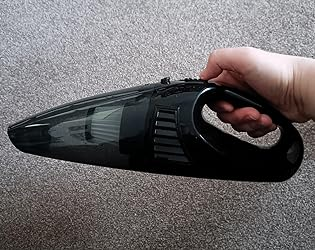
What Customers Say ★★★★★"I keep this light weight vacuum cleaner in our car and handy to clean the mess created by little one. The size is small but powerful enough to clean the car seat. It also has accessories to allow to clean the small gap and corner. Definitely will buy another piece for another car. Good value too." - Connie Try It Risk-Free for 30 Days Experience spotless car interiors with zero worries. If it doesn't transform your daily commute within 30 days, we'll refund your purchase—no questions asked. FREE BONUSES: 1-Year Extended Warranty + FREE Shipping Get Ordiniq's Handheld Wired Car Vacuum Cleaner Today! *Ordiniq also offers AutoPump and a Tyre Repair Kit —great extras to keep in your boot for added peace of mind. |
Method 1: Standard Leather Cleaner for Fresh Stains

Start by vacuuming your car seats to remove dirt and debris.
For fresh denim stains, a quality leather cleaner is usually all you need to handle this type of stain effectively without risking damage to the leather's original dye or finish.
Follow these steps:
-
Vacuum the Seat First: Use a handheld car vacuum with a crevice attachment to remove any dust, crumbs, and loose debris from the surface and along the seat seams. Ordiniq's Handheld Car Vacuum is a solid pick here. It is compact enough to manoeuvre around seat contours, the crevice tool reaches into stitching and tight gaps where grit hides, and it delivers consistent suction so you're actually pulling debris out, rather than pushing it around.
-
Wipe Down the Surface: Use a clean, damp cotton cloth to lightly wipe the stained area to pick up any remaining surface particles the vacuum didn't catch.
-
Apply Leather Cleaner to a Microfibre Cloth: Spray or apply your cleaner onto a clean microfibre cloth, never directly onto the seat.
-
Work the Cleaner into the Stain: Let the product do the work. Consistent, light pressure is more effective than scrubbing hard, which can push the dye deeper into the leather or cause surface abrasion.
-
Wipe Away the Residue: Use a fresh, dry microfibre cloth to remove any leftover cleaner from the surface.
- Inspect the Area: If the stain is still visible after the first pass, apply another round using the same technique. Some denim transfer stains require two to three passes before they fully lift.
Method 2: Solvent Cleaner for Deep or Set-In Stains
When a standard leather cleaner doesn't cut it, you're likely dealing with a stain that has already penetrated past the surface coating. This is where a solvent-based cleaner becomes necessary.
Solvent cleaners are specifically formulated to break through the protective top coat of leather to reach the dye that has saturated deeper layers. However, you must be careful when using them because they're aggressive enough to also strip out the leather's original dye if misused.
-
Test for Colourfastness: Apply a small amount of the solvent cleaner to a hidden area and wait no longer than 3 minutes. Wipe the area clean with a damp cloth and look closely for any colour bleeding, discolouration, or surface texture changes. If the leather shows no bleeding or visible damage, you're clear to move on to the stained area. If it bleeds or discolours, stop and consult a professional detailer to avoid further damage.
-
Vacuum the Seat: Use a handheld car vacuum with a crevice tool to remove dust, loose particles, and debris from the surface, along the stitching, and from the gap between the seat and the centre console. Ordiniq's Handheld Car Vacuum works well for this. Its crevice attachment is sized right for getting into seat seams and narrow gaps where particles settle. Additionally, it maintains consistent suction throughout the job, so you're actually pulling debris out rather than just displacing it.
-
Wipe the Surface: Use a clean, damp cloth to wipe the surface off any fine residue the vacuum missed, and give you a clean starting point for the solvent.
-
Apply the Solvent: As with the standard cleaner method, never apply the product directly to the seat. Gently work the cleaner into the stained area using light, controlled strokes. Do not scrub. Hard pressure increases the risk of stripping the leather's original dye along with the denim transfer.
-
Leave for 3 Minutes: Do not leave the product on the leather for more than 3 minutes. This is the critical window. Solvent cleaners continue working as long as they're in contact with the surface, and exceeding three minutes risks pulling out more than just the stain.
- Wipe & Dry: Use a clean, damp cloth to remove all remaining product thoroughly. Allow the leather to dry completely before assessing the result. Wet leather can look different than dry leather, so give it time before deciding whether the stain has fully lifted.
Method 3: Rubbing Alcohol for Light Surface Stains

Rubbing alcohol is effective for removing dried jean stains from leather car seats.
Rubbing alcohol can lift light denim dye from leather in a pinch, but it comes with real limitations. Alcohol dries out leather quickly and can cause long-term colourfastness issues if used repeatedly.
Therefore, if you use this method, treat it as a last resort for minor surface marks, not a go-to cleaning solution.
How to Apply Rubbing Alcohol Safely
-
Vacuum First: Use a handheld car vacuum to clear dust, crumbs, and loose debris from the surface and along the seat seams. Even with a light surface stain, dragging grit across the leather while rubbing it with alcohol is a fast way to create scratches you didn't have before.
-
Wipe: Use a clean, damp cloth to remove any remaining surface particles to give yourself a clean working area.
-
Apply Rubbing Alcohol to a Cotton Ball: Do not pour or spray alcohol directly onto the seat. You want the cotton ball or cloth slightly dampened, not soaked.
-
Gently Dab or Lightly Wipe: Avoid rubbing back and forth aggressively. Light, targeted passes let the alcohol dissolve the dye transfer without overexposing the surrounding leather.
-
Wipe the Area Clean: Do not let the alcohol sit on the leather any longer than necessary. The longer it stays in contact with the surface, the more moisture it pulls from the leather and the greater the risk of discolouration or finish damage.
- Condition the Leather: Rubbing alcohol strips moisture from leather rapidly, and skipping the conditioner leaves the surface dry, brittle, and more vulnerable to cracking and future staining. Apply a quality leather conditioner with a clean microfibre cloth and work it in gently to restore the moisture barrier.
3 Methods to Remove Jean Stains from Leather Car Seats: Summary Table
|
Factors |
Method 1: Standard Leather Cleaner |
Method 2: Solvent Cleaner |
Method 3: Rubbing Alcohol |
|
Best For |
Fresh or light-to-moderate denim dye transfer on the surface |
Deep or set-in stains that haven't responded to a standard cleaner |
Minor surface marks when no leather cleaner is available |
|
How It Works |
Lifts dye from the leather's surface coating without penetrating deeper layers |
Breaks through the protective top coat to dissolve dye that has bonded into deeper layers |
Dissolves light surface dye transfer on contact as a general-purpose solvent |
|
Risk Level |
Low: safe for regular use on most finished leather |
High: can strip the leather's original dye and damage the protective coating if misused |
Moderate: dries out leather quickly and can cause colourfastness issues with repeated use |
|
Application Tool |
Microfibre cloth |
Microfibre cloth |
Cotton ball or microfibre cloth |
|
Long-Term Use |
Safe as a regular cleaning method |
Use only when standard cleaning fails, not for routine maintenance |
Do not use repeatedly on the same area across multiple sessions |
Keep Your Car Seats Looking Spotless with Ordiniq's Handheld Car Vacuum

Ordiniq’s Handheld Vacuum comes with multiple attachments for versatile applications.
Getting denim dye out of leather is manageable with the right method, but keeping it from becoming a recurring problem starts with regular maintenance. Ordiniq's Handheld Car Vacuum makes that easy. Its wired and high-power suction pulls dust, crumbs, dirt, and loose debris out of your seats before they get ground into the leather and trap stains.
The crevice attachment reaches into stitching, seams, and the tight gaps between seats and the centre console, where particles build up unnoticed. It is compact and light enough to keep in your trunk so you can do a quick pass after every drive instead of waiting until a mess becomes a problem.
Every Ordiniq Handheld Car Vacuum comes with free and fast shipping, a 1-year extended warranty, and a 30-day money-back guarantee. Therefore, you can try the vacuum risk-free and see the difference regular upkeep makes for your leather car seats.
| Try Ordiniq’s Handheld Car Vacuum Today. |
Frequently Asked Questions (FAQs)
Will rubbing alcohol damage leather car seats?
Yes, rubbing alcohol can damage leather car seats if used too liberally or too frequently. Alcohol strips moisture from the leather surface, which leads to stiffness, cracking, and potential colourfastness issues over time. Used sparingly on a minor surface mark and followed immediately by a leather conditioner, it's an acceptable emergency option.
How long does denim dye take to set into leather?
There's no single fixed timeframe; it varies based on the leather's finish, the age of the jeans, and the amount of friction during the transfer. However, the general rule is that fresh transfers sitting on the surface for under 24 hours are the easiest to remove with a standard cleaner.
How often should I apply leather protector to prevent denim stains?
As a general rule, reapplying a leather protector every 2 to 3 months keeps the barrier layer effective, particularly if the seats are used regularly. If you frequently wear dark denim or raw denim jeans in your vehicle, leaning toward the shorter end of that range makes sense.
Can Ordiniq's Handheld Car Vacuum be used to clean leather car seats?
Yes. Before applying any leather cleaner, vacuuming the seat surface removes loose dirt, dust, and debris that would otherwise prevent the cleaner from contacting the leather. The soft attachments on Ordiniq’s Handheld Car Vacuum are gentle enough to use directly on leather without scratching the surface. Running it over your seats before every cleaning session is a simple habit that makes your leather cleaner work more efficiently and extends the time between deep cleans.
*Note: Pricing and/or product availability mentioned in this post are subject to change. Please check our website for current pricing and stock information before making a purchase.


