


 Verified Buyer

Key Takeaways
- Dogs leave behind oils, dander, and occasionally accidents that penetrate deep into car upholstery, causing persistent odours that air fresheners cannot address.
- Baking soda works by absorbing odours rather than masking them, making it ideal for mild to moderate dog smells when given adequate dwell time.
- Enzymatic cleaners are the most effective solution for severe pet odours, as they break down odour-causing proteins at the molecular level.
- Regular maintenance, including seat covers and weekly vacuuming, prevents dog odours from becoming permanently embedded in your vehicle.
- Ordiniq’s Handheld Wired Car Vacuum removes dog hair, dander, and surface debris that hold odour-causing compounds, allowing treatments to reach the contamination underneath.
Understanding Why Your Car Still Smells Like Dog
That unmistakable dog smell lingering in your car isn't just your imagination. Even the most well-groomed dogs leave behind natural oils, dander, and occasionally accidents that can make your vehicle smell less than fresh.
If you've tried air fresheners only to have the distinctive pet aroma return hours later, it's time for a more targeted approach that addresses the contamination sources rather than merely masking their symptoms.
|
Ordiniq Handheld Car Vacuum: Drive Clean, Drive Fresh Join 10,000+ Drivers Who Keep Their Cars Spotless Why Ordiniq’s Vacuum Is Essential
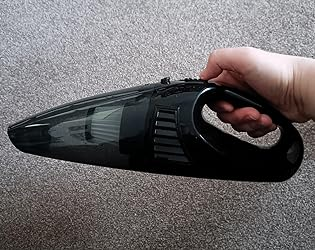
What Customers Say ★★★★★"I keep this light weight vacuum cleaner in our car and handy to clean the mess created by little one. The size is small but powerful enough to clean the car seat. It also has accessories to allow to clean the small gap and corner. Definitely will buy another piece for another car. Good value too." - Connie Try It Risk-Free for 30 Days Experience spotless car interiors with zero worries. If it doesn't transform your daily commute within 30 days, we'll refund your purchase—no questions asked. FREE BONUSES: 1-Year Extended Warranty + FREE Shipping Get Ordiniq's Handheld Wired Car Vacuum Cleaner Today! *Ordiniq also offers AutoPump and a Tyre Repair Kit —great extras to keep in your boot for added peace of mind. |
Method 1: Baking Soda Deep Clean Treatment

Baking soda absorbs and neutralises odour compounds rather than masking them—making it ideal for mild to moderate dog smells.
Baking soda is nature's odour neutraliser and works wonders on mild to moderate dog smells in your car. Unlike fragrance sprays that temporarily mask odours, baking soda actually absorbs and neutralises the compounds that cause odours.
This method proves particularly effective for fabric seats and carpeted areas where dog odour tends to linger.
What You'll Need
- 1–2 boxes of baking soda (depending on car size)
- Vacuum cleaner with upholstery attachment
- Soft-bristled brush or clean towel
- Spray bottle with plain water
- Optional: essential oil of your choice (a few drops only)
Step-by-Step Application Process
Start by thoroughly vacuuming your entire car interior, paying special attention to the seams and crevices where hair and dander collect. Remove floor mats and vacuum them separately.
For stubborn hair, use a rubber glove or pet hair removal brush before vacuuming. Once debris is removed, lightly mist the upholstery with water, not enough to soak it, just enough to dampen the surface slightly.
Generously sprinkle baking soda over all fabric surfaces, including seats, carpets, and floor mats. Use a soft brush to gently work the powder into the fibres. For a pleasant scent, you can mix a few drops of lavender, lemon, or eucalyptus oil with the baking soda before application.
Optimal Dwell Time
For maximum effectiveness, allow the baking soda to sit undisturbed for at least 6–8 hours. Overnight treatment yields the best results, as this gives the baking soda ample time to absorb odours deep within the upholstery fibres.
For particularly strong dog smells, consider extending this to a full 24 hours if possible. The longer the baking soda remains in contact with the fabric, the more odour molecules it can neutralise and absorb.
Once the waiting period is complete, thoroughly vacuum all treated surfaces using the upholstery attachment. Work methodically in overlapping strokes, ensuring you remove all the baking soda powder.
When This Method Works Best
The baking soda method works best for general, lingering dog odours rather than for specific accident spots or extremely potent smells. It's an excellent first-line defence and maintenance solution, especially if your dog regularly rides in your vehicle.
This approach also suits those sensitive to chemicals or preferring natural cleaning methods. For cars with fabric upholstery rather than leather, this method is particularly effective since the powder can penetrate the woven fibres.
Method 2: Vinegar & Water Solution

The acidic properties of white vinegar help break down the compounds in dog oils and urine that cause persistent smells.
White vinegar is a powerful natural deodoriser that neutralises odours instead of masking them. This solution is especially effective for spot-treating areas where your dog typically sits or where accidents have occurred.
Mixing the Right Ratio
Here are some vinegar solution strengths:
|
Application |
Ratio |
Usage |
|
Light Cleaning |
1 part vinegar to 3 parts water |
General maintenance |
|
Medium Odours |
1 part vinegar to 1 part water |
Standard dog smell |
|
Stubborn Smells |
2 parts vinegar to 1 part water |
Set-in odours |
Note: Always test in a hidden area first to ensure colourfastness.
The standard mixture for most car upholstery is equal parts white vinegar and water in a spray bottle. For stronger smells, you can increase the vinegar ratio slightly, but avoid using undiluted vinegar as it may damage certain materials. Add 2–3 drops of dish soap to the mixture to help cut through any greasy residue from your dog's coat. For a more pleasant scent after cleaning, consider adding 5–10 drops of an essential oil, such as lavender or eucalyptus, to the spray bottle.
Application Techniques for Different Seat Materials
For fabric upholstery, lightly spray the solution onto affected areas to avoid saturation of the material. Too much moisture can seep into the foam beneath, potentially causing mould or mildew.
Use a microfibre cloth to gently work the solution into the fabric using circular motions. For heavily soiled areas, use a soft-bristled brush to lift embedded dirt and hair as you apply the solution. Work in small sections, and periodically blot with a clean, dry towel, absorbing excess moisture and lifting dirt.
Leather requires special care when using vinegar solutions. Instead of spraying directly onto leather surfaces, apply the solution to microfibre cloth first, then wipe the leather gently. Immediately follow with a dry cloth to remove excess moisture.
Drying & Ventilation Requirements
Keep all car doors open for at least 2–3 hours in dry weather, or use fans to circulate air throughout the vehicle. If possible, park in direct sunlight with the windows down to speed up the process.
Method 3: Enzymatic Cleaner Treatment

When baking soda and vinegar solutions aren't enough to combat persistent dog odours, enzymatic cleaners offer professional-grade odour elimination.
These specialised formulations contain beneficial bacteria producing enzymes specifically designed to break down organic matter—including urine, faeces, vomit, and body oils from your dog.
How Enzymes Break Down Pet Odours
Enzymatic cleaners work differently from conventional cleaners by using biological processes rather than harsh chemicals. These specialised formulas contain beneficial bacteria producing enzymes specifically designed to break down organic matter.
When applied to dog-soiled areas, the enzymes target and break down the proteins in urine, saliva, and body oils that cause persistent odours. This biological approach completely dismantles the odour compounds rather than just covering them up.
Application Steps for Maximum Effectiveness
Begin by thoroughly vacuuming all car surfaces to remove hair and debris. For the enzymatic cleaner to be most effective, it needs direct contact with the odour-causing residues.
Remove as much loose material as possible, including from cracks and crevices where hair and dander accumulate. Check under seats and between cushions, as these hidden areas often harbour significant sources of odour.
Next, apply the enzymatic cleaner generously to all affected areas. Unlike other cleaning methods, enzymatic cleaners work best when the area is saturated enough, allowing the solution to penetrate to the same depth as the original odour-causing substance.
For severe odours or accident spots, you may need to reapply the solution several times. Most importantly, follow the specific product instructions regarding dwell time—enzymes typically need at least 10–15 minutes to begin working, but leaving the product working for several hours or overnight yields the best results.
After the recommended dwell time, blot (don't rub) the area with clean microfibre towels to remove excess moisture. Avoid using heat-spedding drying, as this can kill the beneficial bacteria before they complete their work.
Instead, ensure good ventilation by leaving windows down or doors open. Some enzymatic cleaners may require a second application for severe odours, especially if the smell has persisted for an extended period.
Why the Ordiniq Handheld Wired Car Vacuum Excels at Removing Pet Odour

The Ordiniq Handheld Wired Car Vacuum removes the hair, dander, and debris that block odour treatments from reaching contamination beneath.
Every odour treatment in this guide starts the same way: vacuuming. That's not routine housekeeping—it's what determines whether your baking soda, vinegar solution, or enzymatic cleaner actually works. Leave hair and dander in place, and treatments sit on top of debris rather than reaching the odour sources below.
At Ordiniq, our Handheld Wired Car Vacuum extracts contamination from within upholstery fibres, not just off the surface. The powerful motor pulls embedded hair and dander from where it accumulates over months of pet transport.
The wired connection provides unlimited runtime for the sustained, methodical extraction dog-used interiors demand—this isn't five-minute tidying. The crevice attachment reaches seams, seat edges, and the channels where hair migrates invisibly.
The brush attachment loosens debris compacted into textured fabrics. Its filtration captures the dander and bacteria-laden particles extracted from your vehicle's air, rather than blowing them back into your vehicle's air.
Complete your vehicle care setup with our best-selling AutoPump for precise tyre inflation and the Tyre Repair Kit for roadside emergencies.
| Purchase your Handheld Wired Car Vacuum today! |
Frequently Asked Questions (FAQs)
How often should I clean my car seats if my dog rides with me regularly?
For dogs who ride in your car weekly, establish a regular maintenance routine rather than waiting for odours to become noticeable. Vacuum your car interior thoroughly at least once weekly to remove hair, dander, and dirt before they can settle into the upholstery.
This simple preventive measure dramatically reduces odour buildup.
Can I use essential oils to mask dog odour in my car?
Essential oils can be used as a finishing touch after properly cleaning and neutralising dog odours, but they should never be your primary odour control strategy. A few drops of lavender, eucalyptus, or citrus oils diluted in water can provide a pleasant scent, but be cautious—many essential oils are toxic to dogs even in small amounts or when inhaled.
Never apply undiluted essential oils directly to car surfaces, and always ensure adequate ventilation.
Will steam cleaning remove dog smell from my car seats?
Steam cleaning can be highly effective at removing dog odours from car upholstery, as the high temperature helps kill odour-causing bacteria, while the extraction process removes dirt, oils, and pet dander from deep within the fabric.
The hot water extraction method reaches deeper than surface cleaning, often accessing odour sources that other methods miss. For best results, use a machine specifically designed for auto upholstery, which provides strong suction to remove moisture after cleaning.
Are there any dog smells that can't be removed from car upholstery?
Whilst most dog odours can be successfully eliminated with the right approach, certain situations present greater challenges. Urine that has completely soaked through to the foam padding beneath seats and remained untreated for extended periods may have permanently damaged the materials.
In these severe cases, the odour compounds can chemically bond with the seat materials, making complete removal difficult without replacing components. Similarly, if odours have penetrated your car's ventilation system, they may continue to circulate throughout the vehicle even after the upholstery has been cleaned.
How does Ordiniq's Handheld Wired Car Vacuum specifically help with dog odour elimination?
Ordiniq's Handheld Wired Car Vacuum addresses the foundational step every pet odour treatment method requires: thorough extraction of hair, dander, and accumulated debris before any treatment solution is applied.
The vacuum's powerful motor generates suction specifically calibrated to extract debris from upholstery fibres rather than merely collecting surface particles. The unlimited runtime from a wired connection enables the sustained, methodical extraction that dog-used interiors require.
*Note: Pricing and/or product availability mentioned in this post are subject to change. Please check our website for current pricing and stock information before making a purchase.


