


 Verified Buyer

Key Takeaways
- Wet paint is easier to remove from leather car seats than dried paint; the sooner you act, the better your results.
- Water-based, oil-based, and dried paint each require different removal techniques to avoid damaging the leather.
- Olive oil, rubbing alcohol, and nail polish remover can all effectively lift paint from leather seats when used correctly.
- Always apply a leather conditioner after removing paint to restore moisture and prevent cracking.
- Ordiniq's Handheld Car Vacuum Cleaner helps remove paint debris from leather seats without damaging the material, with nozzle attachments for tight spaces and narrow crevices.
How to Remove Paint from Leather Car Seats: An Overview
The best way to remove paint from a leather car seat is to get it off while it's still wet. That way, it doesn't stick to the seat and cause further damage. However, if you’re not able to get it out before it dries, you can use soap, water, olive oil, baby oil, or rubbing alcohol.
Below, you’ll find more details on the different methods you can use to take care of your paint problem before it turns into a full-blown disaster.
|
Ordiniq Handheld Car Vacuum: Drive Clean, Drive Fresh Join 10,000+ Drivers Who Keep Their Cars Spotless Why Ordiniq’s Vacuum Is Essential
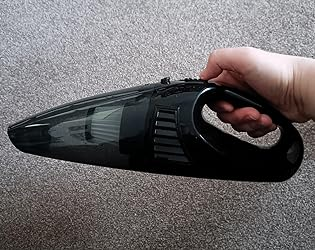
What Customers Say ★★★★★"I keep this light weight vacuum cleaner in our car and handy to clean the mess created by little one. The size is small but powerful enough to clean the car seat. It also has accessories to allow to clean the small gap and corner. Definitely will buy another piece for another car. Good value too." - Connie Try It Risk-Free for 30 Days Experience spotless car interiors with zero worries. If it doesn't transform your daily commute within 30 days, we'll refund your purchase—no questions asked. FREE BONUSES: 1-Year Extended Warranty + FREE Shipping Get Ordiniq's Handheld Wired Car Vacuum Cleaner Today! *Ordiniq also offers AutoPump and a Tyre Repair Kit —great extras to keep in your boot for added peace of mind. |
Method 1: Use a Flat-Edged Tool (For Wet Paint)

It’s easier to remove paint from leather car seats when it’s still wet.
If the paint is still wet, you're in the best possible position. You can easily remove it by following these steps:
-
Use a Flat Tool to Lift the Paint: Start by scooping up as much wet paint as possible using a flat-edged tool. A credit card, plastic scraper, or even the dull side of a butter knife works well here. Work from the outside edges of the paint spill inward. This prevents spreading the stain into a larger mess.
-
Wipe Away Remaining Residue: Once the bulk of the paint is lifted, take a clean, damp cloth and gently blot the remaining residue. For water-based paints, plain warm water is often enough at this stage.
-
Vacuum Away Any More Residue: Simply blotting the paint residue often leaves streaks behind. To address this, use a car vacuum to remove any streaks left behind. You need a vacuum cleaner with nozzle attachments that fit into tight spaces, such as between car seats and other narrow crevices. Ordiniq’s Handheld Car Vacuum Cleaner is designed for this purpose. The Car Vacuum operates at 39000 r/min and delivers powerful suction, removing dried paint particles without damaging your leather seat. Plus, its wired design allows you to work quickly without interruptions.
- Finish with a Wipe-Down: Wipe down with a clean, dry cloth to remove any remaining moisture. Leather doesn't respond well to prolonged water exposure, so drying it off quickly matters. Follow up with a leather conditioner to restore the surface after cleaning.
Method 2: Use Olive Oil or Baby Oil

Use olive oil to remove oil-based paint from leather car seats.
If the paint has dried, you can use olive oil or baby oil to get it out. However, this method works best for oil-based paint. Olive oil and baby oil are both effective at breaking down oil-based paint on leather without causing the surface damage that harsh chemical solvents can.
-
Apply Oil to A Cloth: Apply a few drops of olive oil or baby oil directly onto a soft cloth, not directly onto the leather. Gently massage the oiled cloth over the paint stain in small circular motions. The oil works to break the bond between the dried paint and the leather surface, loosening it without scratching or drying out the material.
-
Wait a Few Minutes: Allow the oil to sit for 1 to 2 minutes to break down the paint. Work in small sections rather than spreading oil across the entire seat.
-
Clean Up Oil Residue: Once the paint has lifted, remove all oil from the leather surface. Left behind, oil can attract dirt, making the leather feel tacky. Wipe the area down with a clean cloth dampened with a small amount of mild soap and warm water, then dry it thoroughly with a separate clean cloth.
-
Follow Through with a Vacuum: After wiping down, use a car vacuum to remove any remaining debris or paint particles from the car seat. You need a vacuum with strong suction to lift any remaining paint particles from the seat.
- Apply Leather Conditioner: Finish by applying a quality leather conditioner to the cleaned area. This restores the natural moisture balance that the cleaning process can disrupt, keeping the leather looking healthy rather than dried out or dull.
Method 3: Use Rubbing Alcohol
Isopropyl alcohol at 70% concentration is effective at dissolving dried paint without being as aggressive as acetone or paint thinner. However, rubbing alcohol can dry out leather quickly, so the goal is to use the minimum amount necessary and work precisely on the stained area only.
-
Dampen a Cotton Ball with Alcohol: Pour a small amount of 70% isopropyl rubbing alcohol on a cotton ball, not a cotton cloth.
-
Dab & Let it Sit: Dab the alcohol directly onto the paint stain. Do not rub across the leather surface. Let it sit for 20 to 30 seconds to allow the alcohol to penetrate and soften the dried paint.
-
Blot & Lift: Gently blot and lift the loosened paint with a clean section of the cotton ball. Repeat in small passes until the paint is fully removed. Keep the application targeted and controlled. A cotton swab is ideal for small spots, while a cotton ball works better for slightly larger stains.
-
Wipe Down & Vacuum: Immediately wipe the area with a damp cloth to remove all alcohol residue. Afterwards, follow through with a car vacuum to remove any leftover debris from either the paint or the cotton ball.
- Condition the Seats: Apply leather conditioner to restore moisture to the treated area.
Pro Tip: Do not use rubbing alcohol on suede or nubuck leather, as these materials react differently and can suffer permanent discoloration. This method is specifically for smooth, finished leather surfaces commonly found in car interiors.
Method 4: Use Nail Polish Remover
Nail polish remover can dissolve paint that resists every other method. But it demands careful, precise application
-
Dampen a Cotton Swab: Dip a cotton swab into the nail polish remover and dab off the excess on a paper towel first. You want the swab damp, not dripping.
-
Apply on Paint: Apply it directly onto the paint stain only, dabbing rather than wiping. Work in tiny sections and check your progress after each pass. The paint should begin to dissolve and transfer onto the swab within seconds of contact.
-
Remove Residue: Leaving any solvent residue on leather, even for a few minutes, can cause the surface to dry out, crack, or discolor. Dampen a clean microfiber cloth with plain warm water and thoroughly wipe the entire treated area.
-
Wipe Again & Vacuum: Follow with a second wipe using a cloth with a small amount of mild dish soap to neutralize any remaining solvent. After that, use a vacuum to ensure no residue remains on the seat.
- Condition: Apply a generous amount of leather conditioner and let it absorb fully before buffing the area gently with a dry cloth to restore the surface sheen.
Methods to Remove Paint from Leather Car Seats: Summary Table
|
Paint Type |
Paint Status |
Recommended Method |
|
Any type |
Still wet |
Use a flat tool to lift it and a damp cloth to wipe |
|
Water-based (latex, acrylic) |
Wet or slightly dried |
Mild soap and warm water |
|
Oil-based |
Dried |
Olive oil or baby oil |
|
Any type |
Dried, stubborn |
70% isopropyl rubbing alcohol |
|
Any type |
Hardened, resistant |
Non-acetone nail polish remover |
Your Leather Seats Can Look Good as New with Ordiniq's Handheld Car Vacuum Cleaner

Ordiniq’s Handheld Car Vacuum Cleaner operates at 39000 r/min.
Paint removal often leaves behind small flakes, dried residue, and bits of cotton from applicators that settle into seat seams, crevices, and the gap between the seat and the centre console. Once your seats are paint-free and conditioned, a quick pass with the right vacuum leaves the entire interior looking as clean as the restored leather itself.
Ordiniq's Handheld Car Vacuum Cleaner is designed specifically for car interiors, with attachments that reach into seat stitching, along seams, and into tight gaps where debris collects after a cleaning session. The high-power and wired suction picks up fine particles without interruption that a standard household vacuum or handheld dustbuster would leave behind.
Every Ordiniq Handheld Car Vacuum Cleaner comes with free shipping via Royal Mail and Evri, and is backed by a 1-year extended warranty and a 30-day money-back guarantee. As such, if it doesn't meet your expectations, you're fully covered.
| Try Ordiniq’s Handheld Car Vacuum Cleaner Risk-Free! |
Frequently Asked Questions (FAQs)
Can I use acetone to remove paint from leather car seats?
Acetone can remove paint from leather car seats, but it poses significant risks, making it a last resort rather than a go-to solution. Pure acetone is a highly aggressive solvent that can strip leather's protective finish.
If you feel acetone is truly necessary after all other methods have failed, limit it to a single, targeted application using a cotton swab. Dab only the paint itself, avoid contact with the surrounding leather, and wipe the area clean with a damp cloth within seconds of application.
Will removing paint damage the color of my leather seats?
It depends on the method used and the type of leather finish on your seats. Most modern car leather seats have a protective topcoat, and gentle methods like soap and water or olive oil work on the paint without ever reaching that dye layer.
The most vulnerable leather types are those with a thin or worn topcoat. On these surfaces, even rubbing alcohol can occasionally cause a slight color change if over-applied.
What is the safest method to remove dried paint from leather car seats?
The safest method for dried paint on leather car seats is olive oil or baby oil, applied with a soft cloth in gentle circular motions. This approach works without any solvents, has virtually no risk of color damage, and actually conditions the leather slightly as it works.
It's most effective on oil-based dried paint, but it's worth trying on any type of dried paint before reaching for stronger solutions.
How effective is Ordiniq's Handheld Car Vacuum Cleaner for removing stains from car seats?
Ordiniq's Handheld Car Vacuum Cleaner is specifically designed for post-cleaning debris removal. It excels at picking up the dry residue, paint flakes, and applicator fragments that remain after a paint removal session. Its compact form and targeted attachments make it especially effective in the tight areas around seat stitching and seat-to-console gaps where fine debris collects.
*Note: Pricing and/or product availability mentioned in this post are subject to change. Please check our website for current pricing and stock information before making a purchase.


